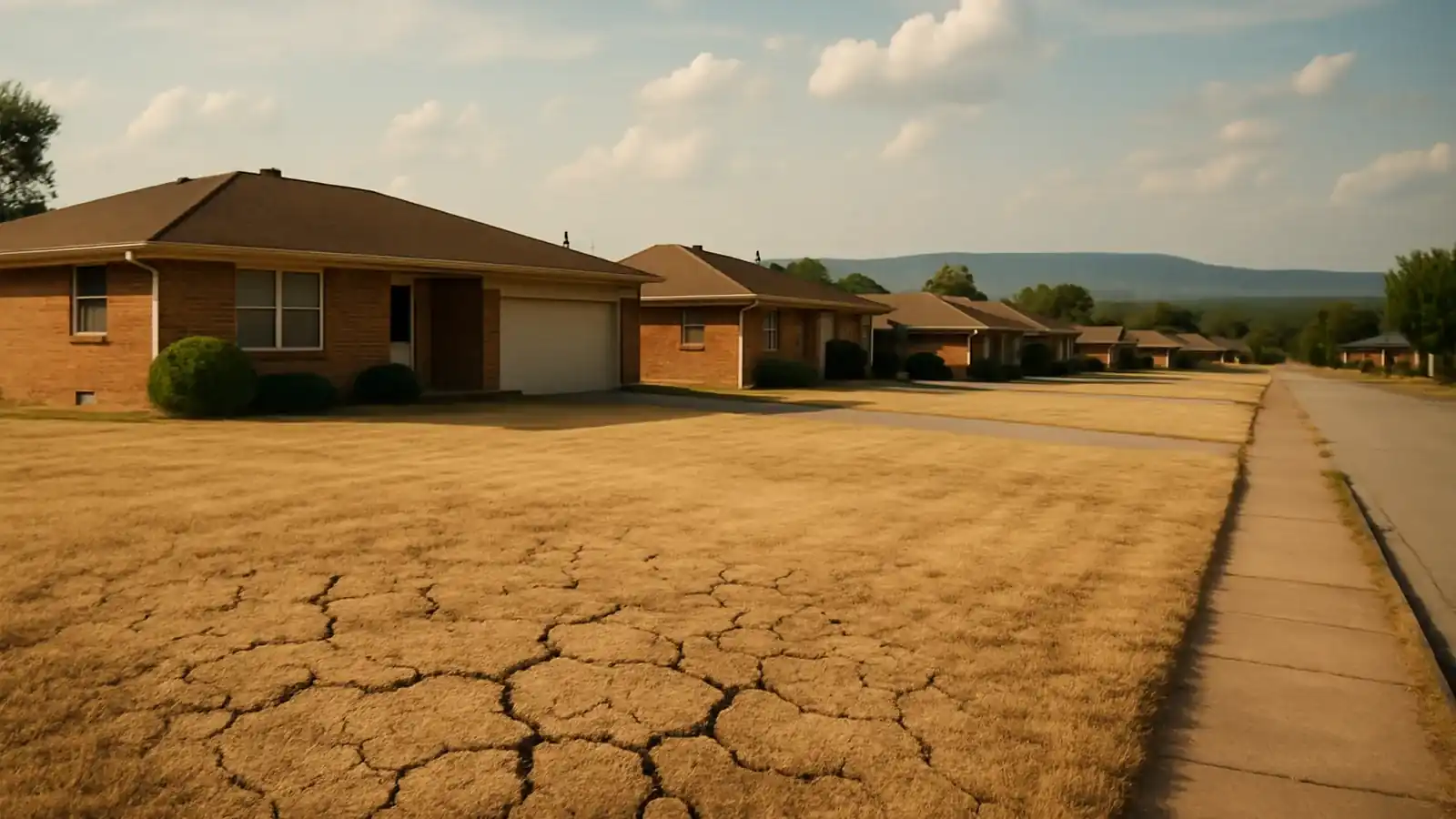
Most Tulsa foundation repair is not covered by a homeowners policy, because policies exclude earth movement and the drought-then-downpour swings of Green Country clay are exactly that. The exceptions are sudden covered events, such as a supply line that bursts or direct storm damage. When the policy says no, a full repair typically costs $4,000–$15,000 out of pocket.
The exclusion, the two live exceptions, and the paperwork that decides between them.
The earth-movement exclusion, plainly
Standard homeowners policies refuse damage caused by soil that settles, shrinks, bulges, or expands (earth movement), however well the house was maintained. The logic is insurers’ own: on expansive clay, movement is a recurring certainty rather than a fortuitous event, and the Arkansas River valley’s shrink-swell soils are the certainty in question. The settlement most Tulsa homeowners eventually meet is, in policy language, excluded by design. Policy wording and add-ons vary, so your own policy is the final word; this page is general information, not coverage advice.
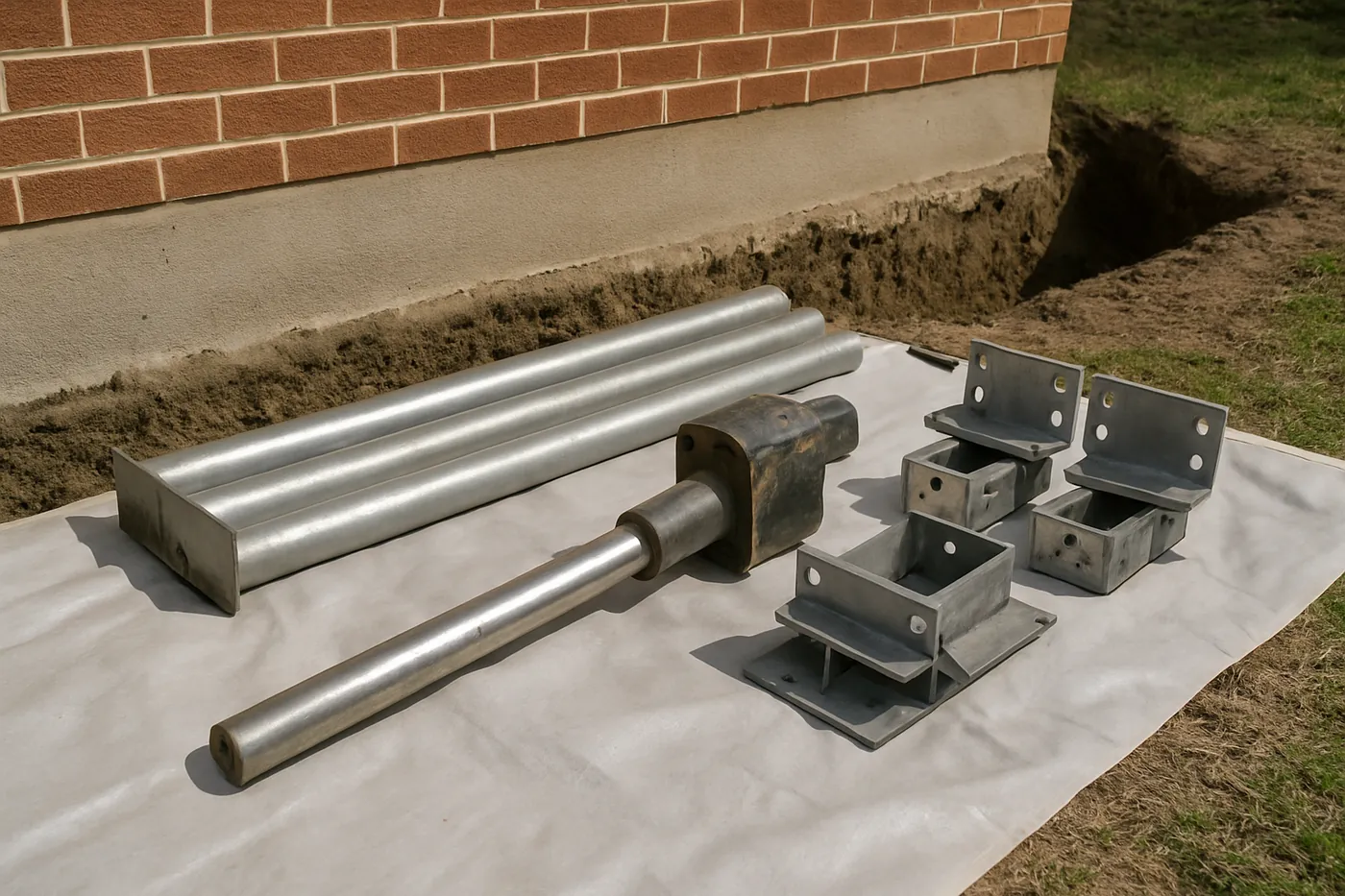
The two exceptions worth knowing cold
The sudden plumbing failure. A supply line bursts (under a slab, in a wall, beneath a pier-and-beam floor) and the clay it soaks moves the foundation. The discharge is a covered water peril on most policies, and foundation damage flowing directly from it commonly follows. Sudden and accidental are the operative words; the long slow leak generally fails them.
The storm. Wind is a covered peril in Oklahoma policies for obvious reasons, and direct storm damage to structure (foundations included) is ordinarily covered. The fight is causation: adjusters may read storm-revealed cracks as pre-existing settlement. Dated measurements beat adjectives in that argument, in both directions.
Covered or excluded: the usual verdicts
| What happened | Usual outcome |
|---|---|
| Drought-cycle settlement, swell-cycle heave | Excluded: earth movement |
| Supply line bursts; clay moves the foundation | Commonly covered: sudden discharge |
| Slow leak discovered after years | Usually excluded, not sudden |
| Direct wind/storm structural damage | Ordinarily covered: causation must be shown |
| Surface flooding | Homeowners: excluded. NFIP flood policy territory |
| Ponding from grading left unfixed | Excluded: maintenance |
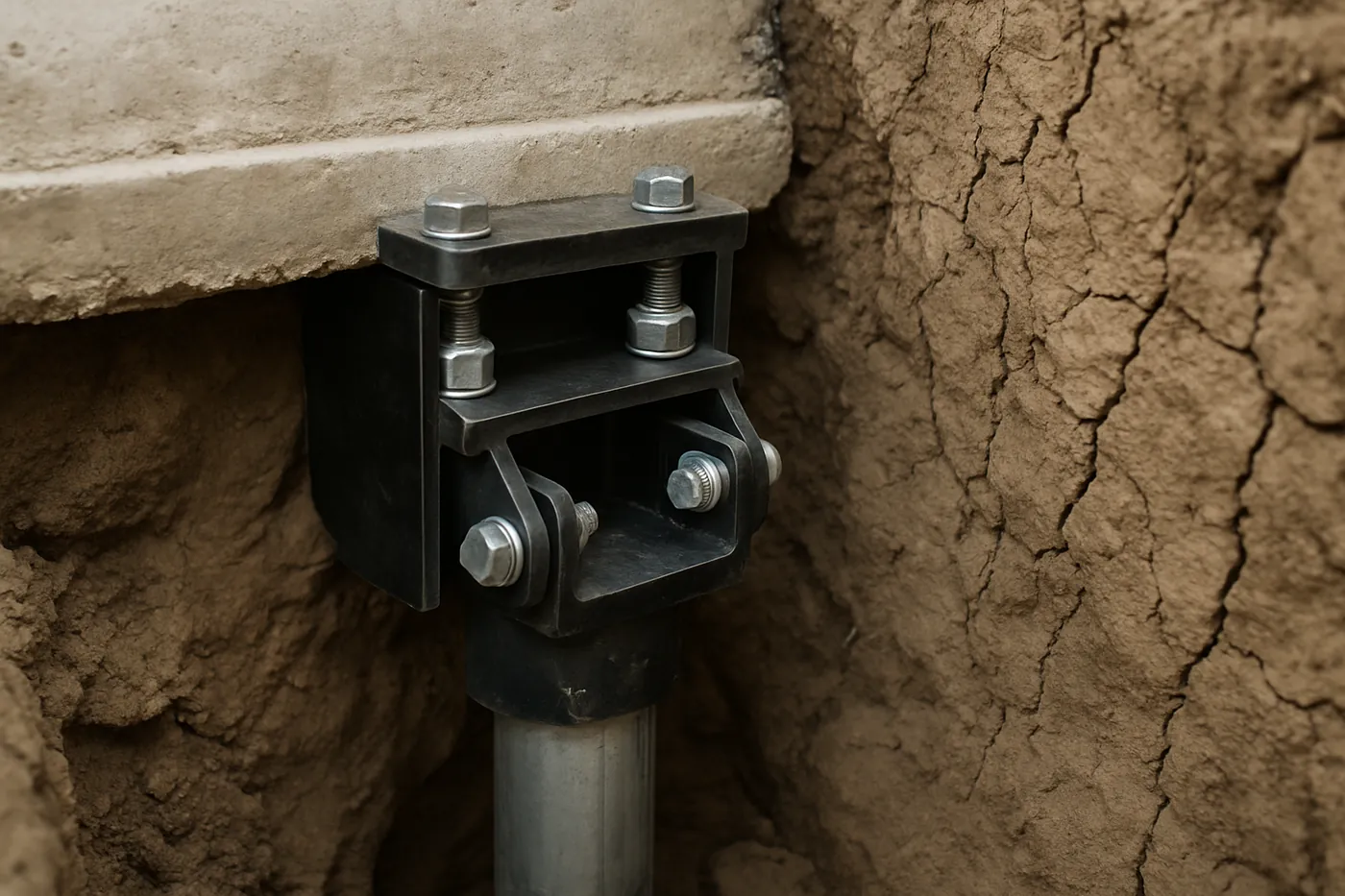
Build the file before you call
- Photograph the event: the failed line, the storm damage, dates visible.
- Written trade diagnosis: plumber or roofer naming the failure and its suddenness.
- Measure the movement now: elevations and crack widths, which you can ask for at the evaluation, and keep the record regardless.
- Contested causation? That’s where an independent engineer’s opinion earns its fee.
When the answer is no
Most Tulsa foundation work is self-paid. The cost guide makes every range public, and a per-line scope means you can stabilize the structure now and schedule the rest, without re-diagnosing anything in between.
If the denial letter comes back
A denial letter is where the insurer starts, not necessarily where it ends. Ask it in writing for the precise policy wording it relied on: quoting “earth movement” against a claim built on a plumbing discharge is the adjuster error most often reversed, and leaks under Tulsa slabs are common. What reverses it is a stamped letter from an engineer that names the covered cause and links it to the damage, best obtained with the leak located and recorded before repairs cover it. If the insurer still will not engage, you can file a consumer complaint with the Oklahoma Insurance Department. Keep the policy's deadline for filing suit in view the whole time, since it can run out sooner than you think.
Insurance questions, straight answers
Does homeowners insurance cover foundation settling in Oklahoma?
Almost never. Standard policies exclude earth movement (settling, shrinking, expanding soil) and Green Country's drought-to-deluge clay cycle is that exclusion operating as designed. It applies however sudden the crack's appearance felt; the policy excludes the cause, not the surprise. Your own policy's exclusions section carries the exact wording.
What's the exception that actually pays in Tulsa?
Sudden accidental water discharge. A supply line bursts under a slab or inside a wall, soaks the clay, and the foundation moves. The discharge is a covered peril on most policies and the resulting foundation damage commonly rides with it. 'Sudden' is the test: the slow drip that fed the soil for three summers usually fails it.
Does storm or tornado damage change the analysis?
Wind is a covered peril, so structural damage a storm does directly, including to foundations, is ordinarily covered. Where it gets contested is causation: an adjuster may attribute cracks to pre-existing settlement rather than the storm. Elevation records and dated photos from before and after are what win that argument, which is a reason to have a baseline survey at all.
What should I document before repairs start?
The event and the movement, both dated. Photos of the failed line or storm damage, the plumber's or roofer's written diagnosis, the water bill spike if there is one, and measured elevations and crack widths as soon as possible. The evaluation can produce the measurement half; ask to keep the record whether or not you file.
What do excluded repairs cost out of pocket?
The same as for anyone else: most full repairs in Tulsa cost $4,000-$15,000, piers $1,200-$3,000 apiece, crack work $400-$1,500, and drainage $1,500-$6,000. A written scope priced line by line lets you spread it out, stabilizing now and fixing cosmetics later. Most foundation work here is self-paid, which is exactly why every number on this site is public.
Will filing a claim raise my premium or risk non-renewal?
Talk to your agent before filing. Insurers look at claim history when policies renew, and a denied claim is still logged as a claim. So file when a covered event truly caused the damage and you can prove it, and hold off when the exclusion clearly applies. In that situation, paying for an engineer's opinion first costs less than a claim on your record.
Get a Tulsa foundation evaluation
Tell us what the house is doing (stair-step cracks, doors that stick every August, sloping floors, separating trim) and we'll pass it to one independent local specialist for an evaluation. A local specialist who serves Tulsa will call you back.