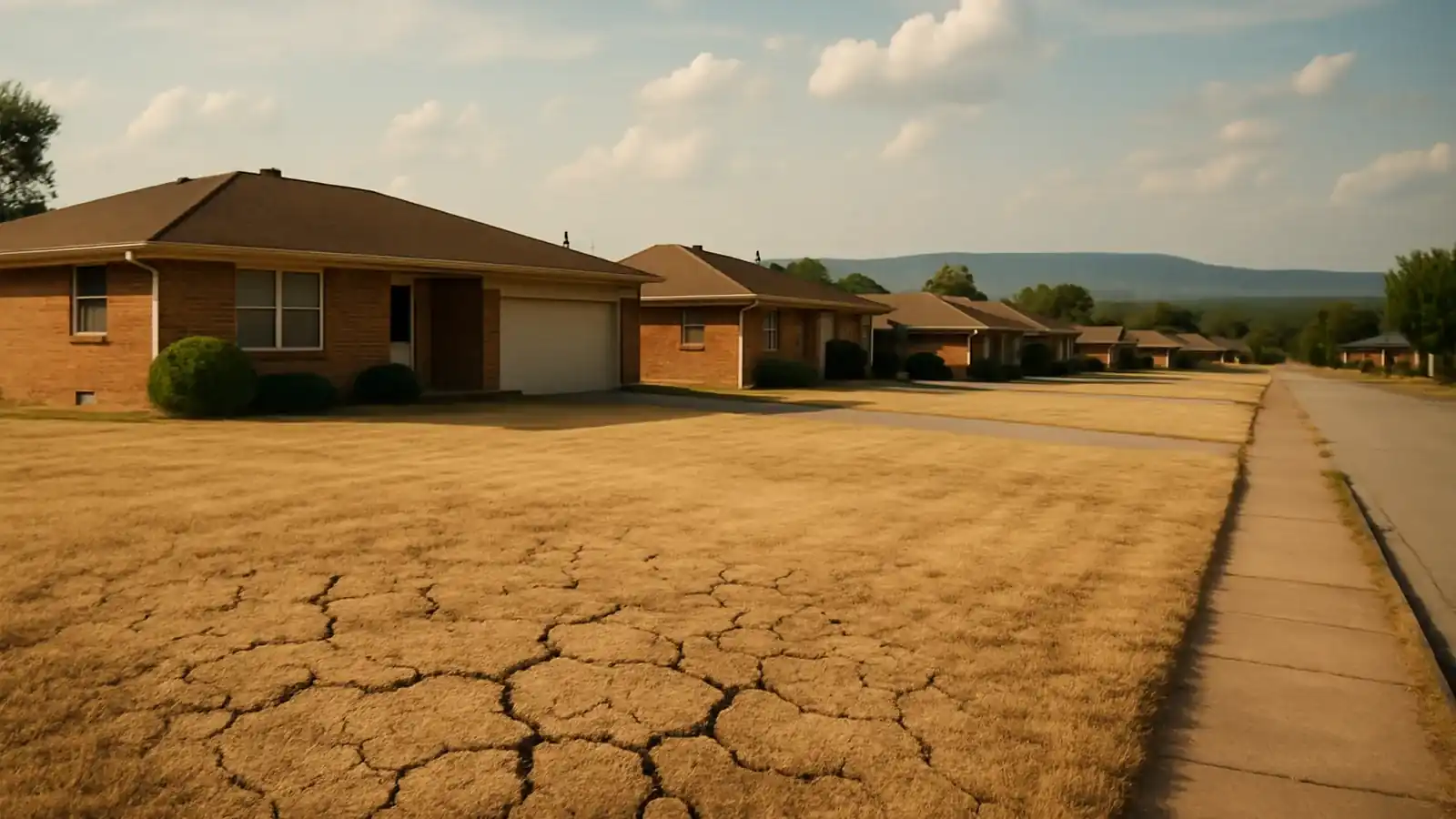
Most Glenpool foundation repairs land between $4,000 and $15,000, with the total set by pier count, foundation type, and how much drainage correction the lot needs. Glenpool's houses are mostly from the 1980s onward, on clay that moves with the seasons. Many local specialists don't charge for the evaluation; ask when they call.
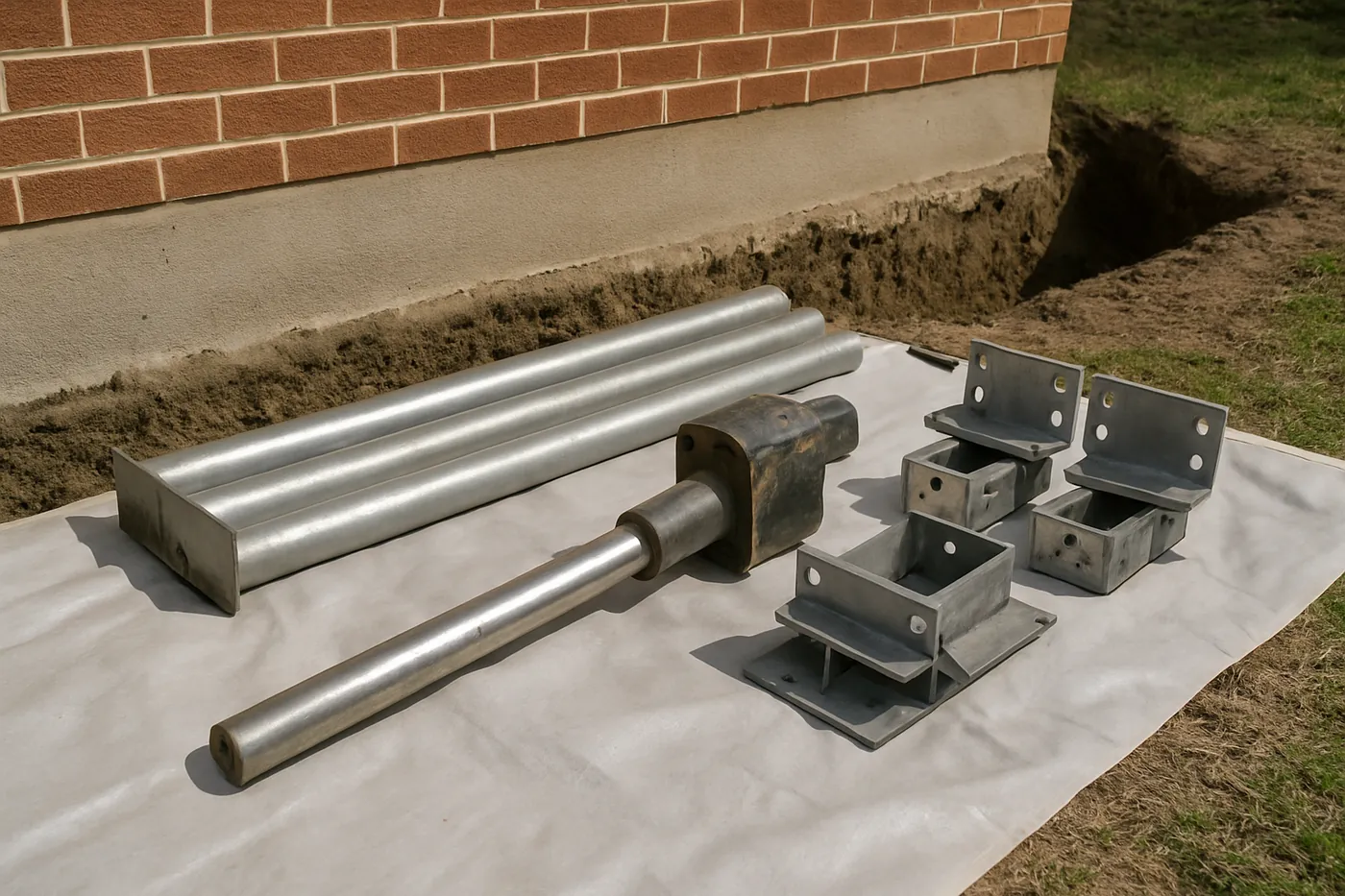
Oil-field history under residential ground
Glenpool's name comes from one of Oklahoma's historic oil discoveries, and a century of activity leaves marks on the land: old access roads, filled pits, and areas graded and regraded across decades. Most residential development sits on ordinary ground, but the county's history means an evaluation here pays attention to signs that a lot's soil profile isn't what the surface suggests.
The everyday driver, though, is the same expansive clay that moves houses across the metro, responding to the same drought-to-deluge swing. Most Glenpool foundation problems are ordinary seasonal settlement, diagnosed the ordinary way: crack widths, floor elevations, and a walk of the lot's water path.
Newer subdivisions, familiar questions
Glenpool's residential growth put a good deal of housing on graded lots within the past few decades, bringing the standard fill-versus-clay diagnostic. Fill settlement trends one direction and slows; clay movement breathes with the seasons. A dated pencil mark across one full wet-dry cycle separates them at no cost, and the plat shows whether fill is even in play before anyone starts guessing.
Three building booms in the Census
The Census Bureau's 2020-2024 American Community Survey counts about 5,150 homes in Glenpool, with a median build year of 1995. Its housing came in three waves of similar size: the 1980s (about 24%), the 2000s (about 21%) and the 2010s (about 22%). Fewer than 4% predate 1960. A 1980s slab has been through forty summers of clay movement, while a 2010s house is more likely settling into its fill, and the evaluation should say which story applies.
Floodplain and permit rules
Glenpool participates in the National Flood Insurance Program and has its own rules for building in mapped floodplains, with a floodplain development permit form on the city site. Its building office says permits are required for new construction, additions and alterations, and that certain repairs to an existing structure need one too. Same-day inspection requests have to reach the office before 8:00 a.m.
Asked in Glenpool
Does Glenpool's oil-field history affect residential foundations?
Rarely in a direct way. Most residential development sits on ordinary ground, and most foundation problems here are ordinary seasonal clay settlement. But a century of activity means it pays to watch for signs that a lot's soil profile isn't what the surface suggests: old access roads, filled areas, regraded ground.
My subdivision is fairly new. Should I expect problems?
Not necessarily, but age is a weak predictor on this clay. What predicts movement is soil profile, whether the lot was cut or filled, and how it drains. A laser survey gives you a baseline in about an hour, and for new construction it frequently produces nothing but reassurance.
How do I tell fill settlement from clay movement?
Trajectory. Fill settlement trends one direction and slows year over year; clay movement breathes with the seasons: wider in a dry August, narrower after wet weather. Mark the crack, date it, check after a full cycle. That test answers it better than any one-visit opinion.
Is Glenpool inside the service area?
Glenpool is inside this site's service area. Ask for any travel to be quoted openly in the scope.
Before anyone prices the work
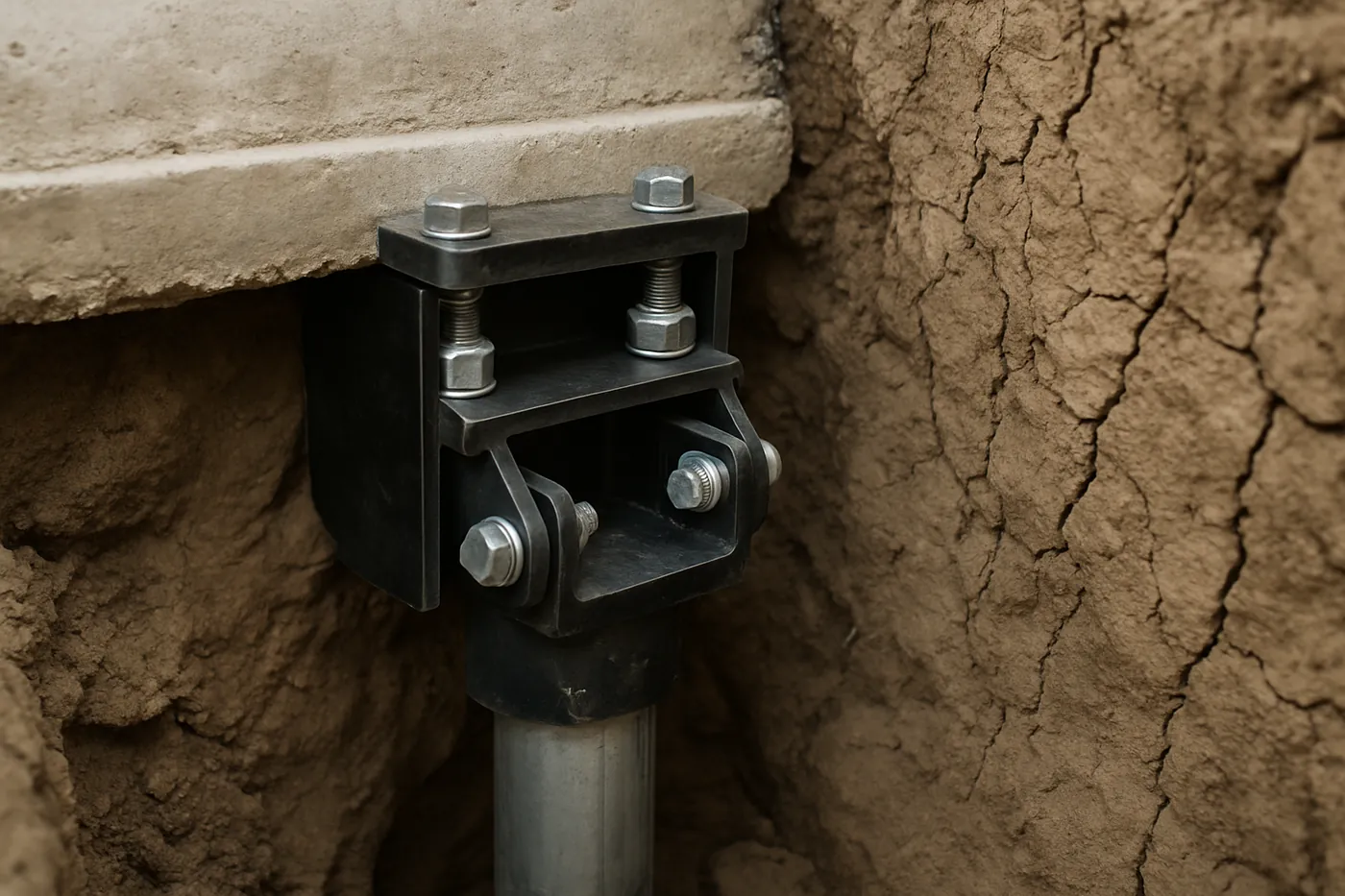
Expect the specialist to measure a Glenpool house first: crack widths, floor elevations, how the yard grades, and where the downspouts empty. The written scope should price each line, and it should say "monitor it" if the readings point that way. Compare with the cost guide, or browse the full service list.
Get a Tulsa foundation evaluation
Tell us what the house is doing (stair-step cracks, doors that stick every August, sloping floors, separating trim) and we'll pass it to one independent local specialist for an evaluation. A local specialist who serves Tulsa will call you back.