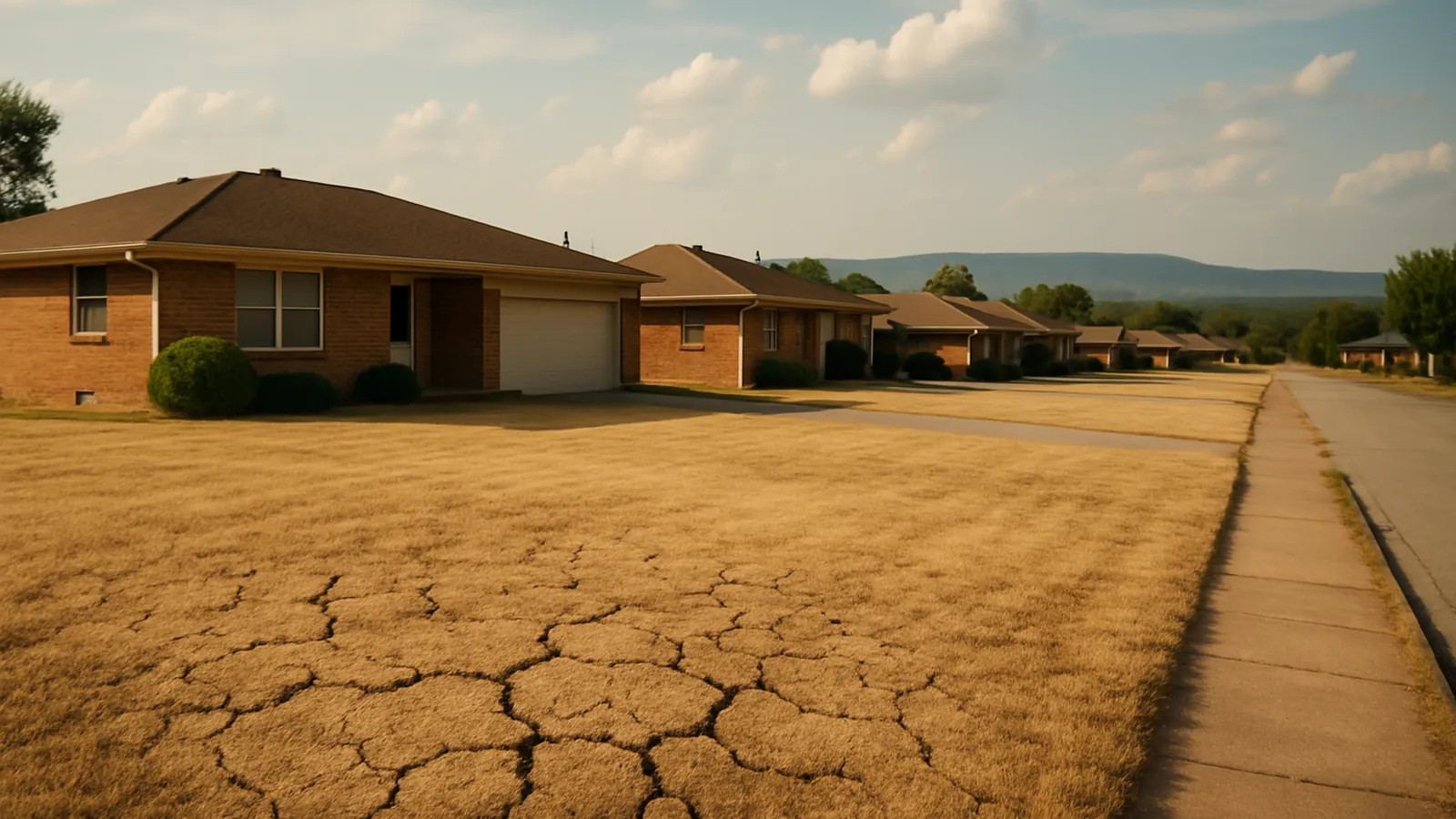
Catoosa homeowners pay $4,000–$15,000 for most structural foundation repairs, from about $400 for a single crack injection. Expansive clay withdrawing support during dry spells is the mechanism — and it's what a measured evaluation is built to detect before it worsens.
Port-adjacent ground and industrial history
Catoosa's identity as an inland port and industrial center gives its ground a more varied history than typical residential development. Land that has been graded, filled, or used industrially in past decades behaves differently than undisturbed soil, and older fill placed to standards of its era doesn't necessarily meet current expectations for compaction.
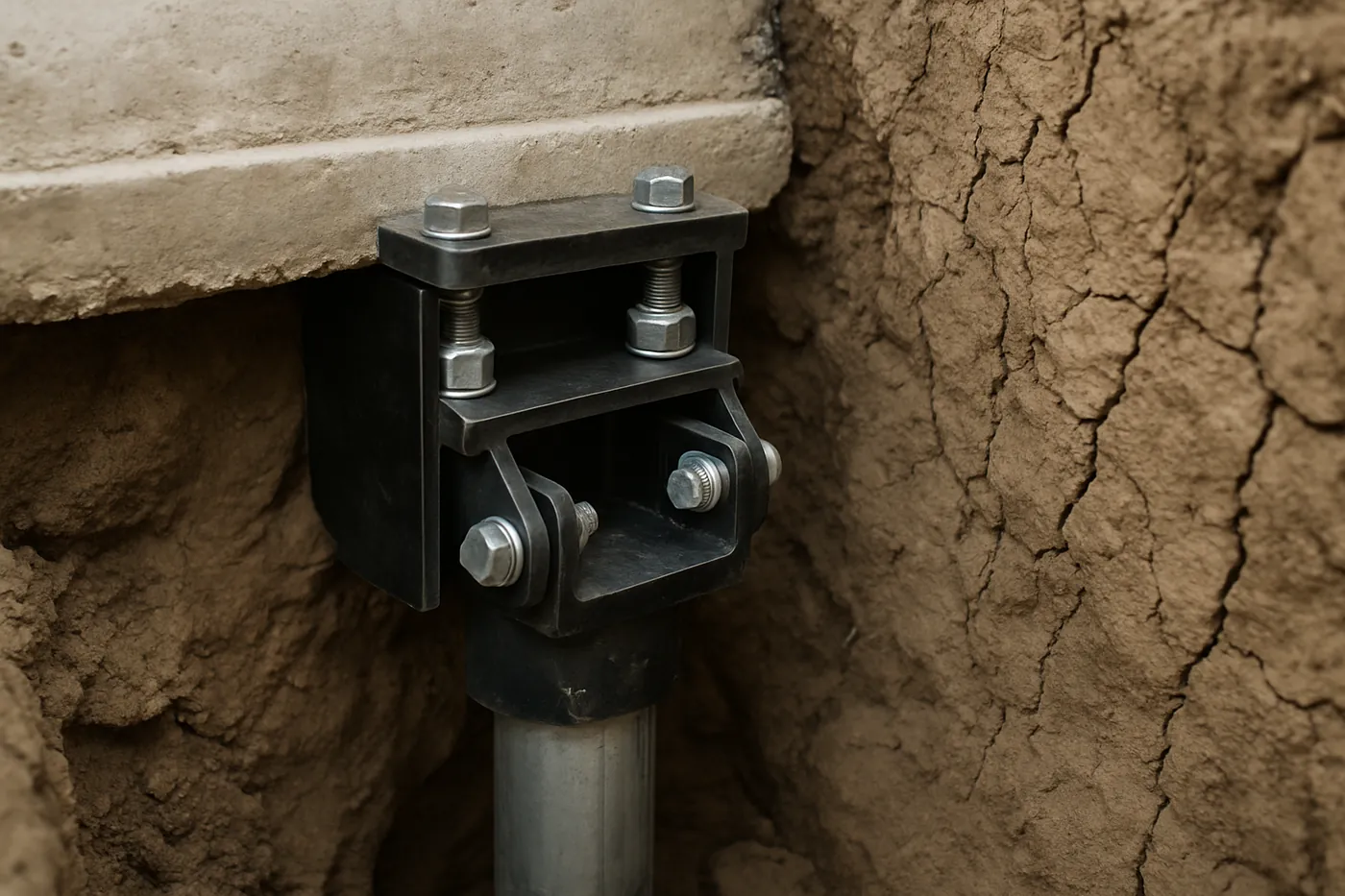
That history is worth knowing before quoting a pier depth. Where placed fill of unknown age and compaction sits over native soil, piers must pass entirely through it to reach honest bearing — and refusal in poorly compacted fill can feel deceptively firm to a crew that isn't logging pressures carefully. Per-pier refusal logging matters more here than in a uniformly developed subdivision.
Verdigris River proximity
Lots nearer the Verdigris carry higher and more variable soil moisture than upland properties in the metro, with the water table sitting closer to the surface. That moderates the dry-season shrinkage that drives settlement elsewhere while increasing sustained dampness against foundations and crawl framing. Drainage design does more of the work in scopes here, and structural repair gets priced where the survey genuinely shows movement.
Asked in Catoosa
Does the industrial history of this area affect foundations?
It can. Land graded, filled, or used industrially in past decades behaves differently than undisturbed soil, and older fill placed to the standards of its era may not meet current compaction expectations. That history is worth knowing before quoting pier depth — poorly compacted fill can feel deceptively firm.
We're close to the Verdigris. Different problems?
Somewhat. River proximity means a higher, more variable water table — less extreme dry-season shrinkage, more sustained dampness against foundations and crawl framing. Drainage design does more of the work in scopes here, with structural repair priced where the survey shows genuine movement.
How do you know if piers hit real bearing versus dense fill?
Refusal pressure, logged per pier. A pier that stops in compacted fill shows a different pressure signature than one reaching native bearing, and the log is your documentation. On ground with an uncertain fill history, that record is the difference between engineered work and hopeful work.
What does repair cost in Catoosa?
The metro ranges apply — $4,000 to $15,000 for most full repairs, piers $1,200 to $3,000 each. Where fill depth is uncertain, the evaluation is explicit about the range of possible pier depths so the estimate doesn't surprise you mid-job.
Next step for your Catoosa house
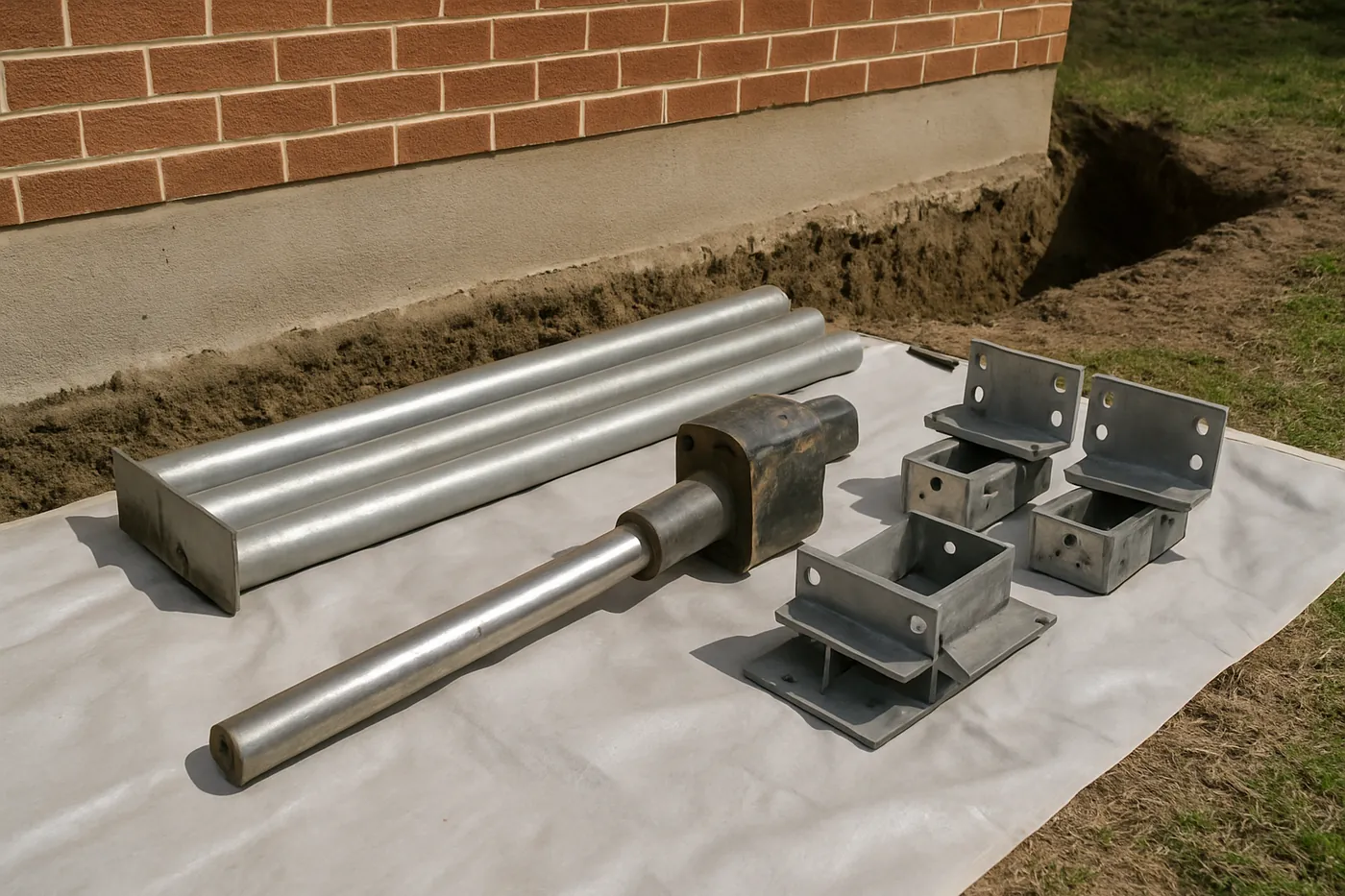
Mark and date the crack, then get the baseline — knowing is cheap. The free evaluation takes about an hour and leaves a written report with floor elevations. Costs are itemized in the cost guide; nearby communities are under service areas.
Get a free Tulsa foundation evaluation
Tell us what the house is doing — stair-step cracks, doors that stick every August, sloping floors, separating trim — and we’ll schedule an evaluation with photos and measurements. We reply the same business day.