Concrete leveling in Tulsa usually costs $500–$2,500 for a home's driveway, patio, or walk, compared with three to five times that to tear it out and repour. Foam is pumped in through holes about the size of a penny, raises the slab back to level, and hardens within minutes, so you can usually drive on it the same day.
Here's why Tulsa flatwork drops, and when lifting is the right call.
Why slabs sink around Tulsa houses
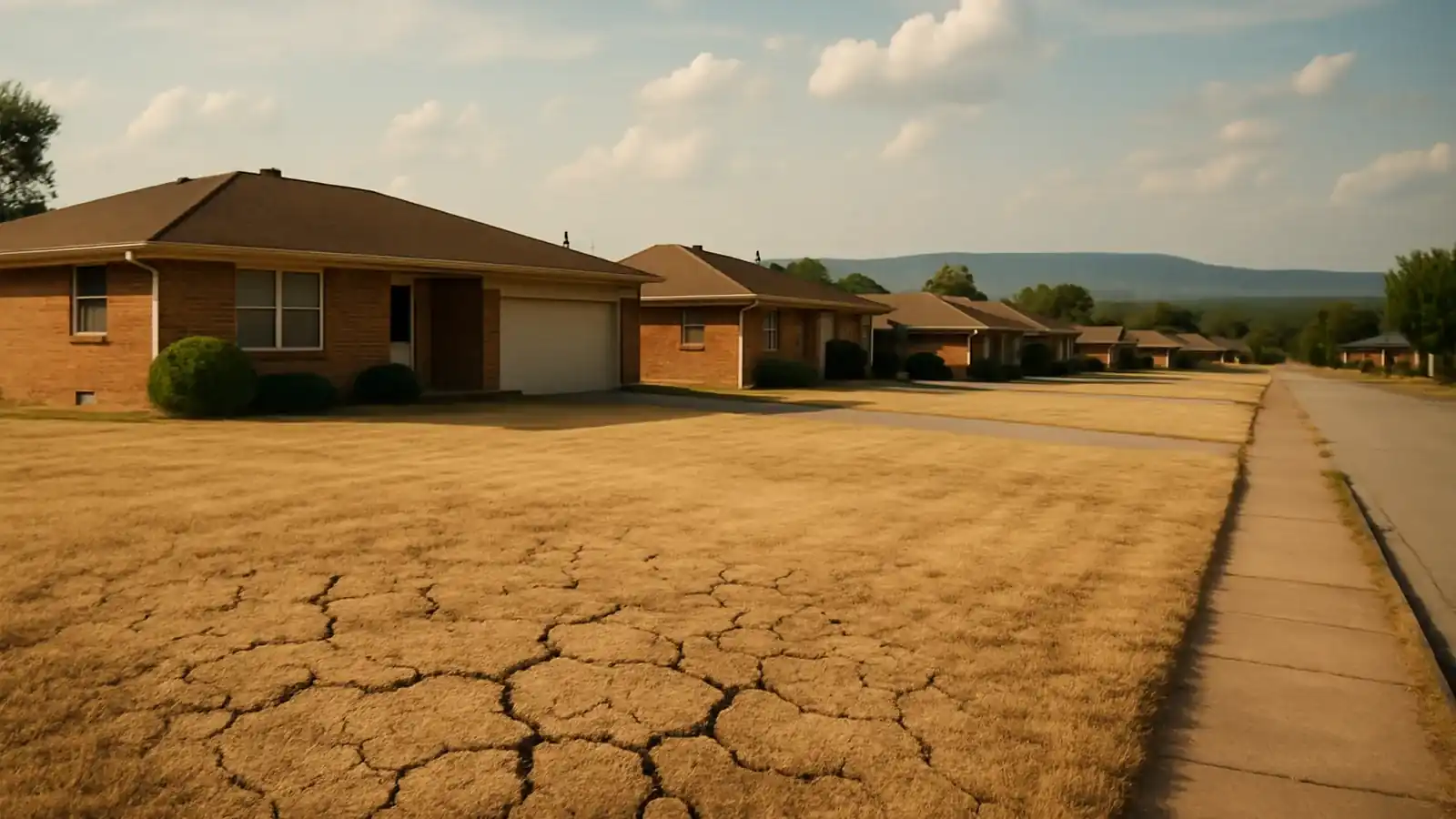
Driveways, patios, walkways, and porch slabs sit directly on soil with no footing between, so they ride the clay's full seasonal behavior: rising slightly as wet-period clay swells, dropping as an Oklahoma summer pulls the moisture out. Then there is the loose backfill dug and replaced around every foundation, which keeps packing down for years after a house is built. Together they explain the two things you see all over the metro: driveway sections that step down at each joint, and patios that tip back toward the house.
That lean is more than cosmetic. A patio sloping toward the house sends every rain straight at the wall, feeding the same wet and dry swings that damage the foundation. Leveling fixes the drainage and the look in a single visit.
How the lift works
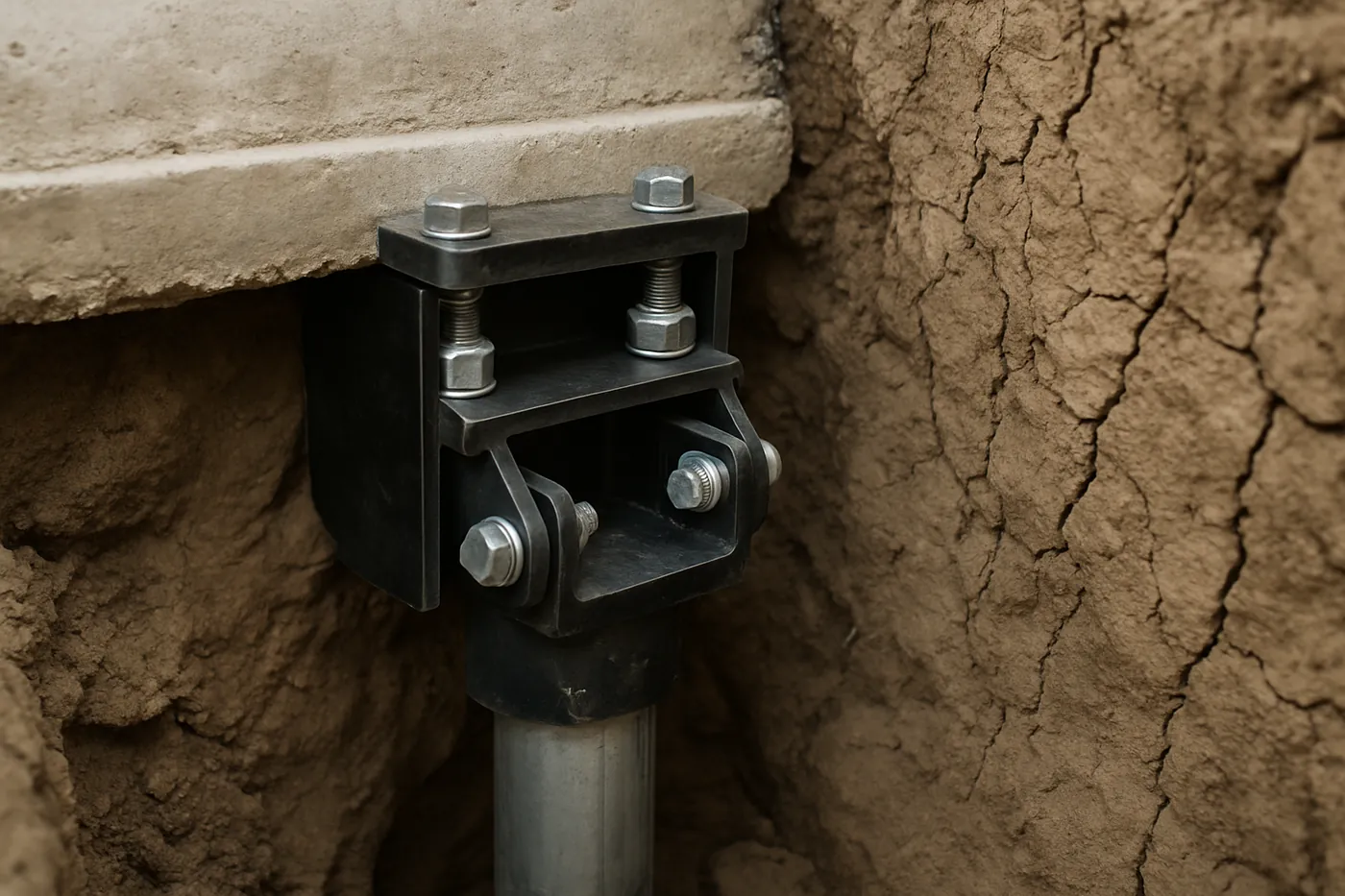
Small holes are drilled through the slab and structural foam is pumped underneath, where it expands to fill the gaps and lifts the concrete a little at a time while its height is checked against a level line. When the lift is done, the holes are patched flush.
Two properties matter here. The foam is inert and does not wash out, which counts when rain arrives in quantity rather than steadily, and it is light enough not to reload clay that has just finished shrinking away beneath the slab.
Timing on expansive clay
A slab that rises and falls with the seasons should be lifted once the clay has finished shrinking for the summer, not partway through. Raising concrete while the ground beneath is still moving means paying for the job twice, and a fair specialist will time the work for that instead of taking your money early.
Lift it, support it, or replace it?
Oklahoma's drought-to-deluge pattern is hard on flatwork: a dry stretch shrinks the clay and drops the panel, then a wet month arrives all at once and moves it again.
| Option | What it does | The local deciding factor |
|---|---|---|
| Foam injection | Ports drilled, expanding foam raises the panel | The standard fix for walks and drives between swings: fast and light |
| Slurry pumping | A cement grout lifts the slab back to level | Fits larger sections where the clay has left broad, shallow gaps |
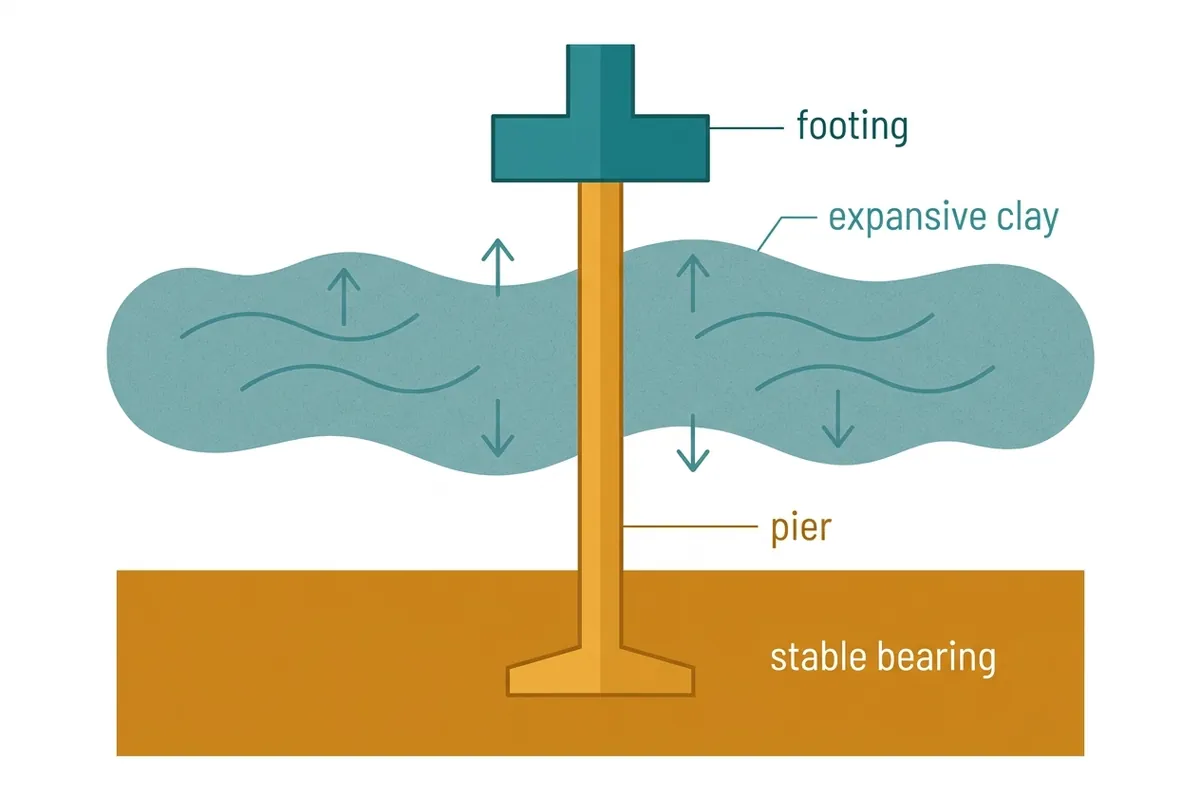
| Piered support | Load carried to firmer ground before resetting | For slabs carrying structure, support has to reach below the active clay |
| Tear-out and repour | New concrete instead of lifting the old | The answer when years of movement have broken the slab into pieces |
Timing matters on this clay. A panel lifted at the bottom of a drought sits differently after the first real deluge, so the moisture picture decides when as much as what.
Leveling questions, straight answers
How long does concrete leveling take?
Most home slabs are raised in one afternoon. Foam goes in through small holes, swells to fill the gap and lift the concrete, and sets in minutes, so a lifted driveway can usually take a car that same day.
Foam or mudjacking?
On Tulsa's swelling clay, foam. Mudjacking pumps heavy grout under a slab that already sank under weight, while foam weighs a small fraction as much and does not add load to soil that keeps moving. Foam also needs much smaller holes, so the patches barely show.
Will the slab sink again?
Not if whatever made it sink gets fixed. Foam restores the height but cannot stop a downspout from soaking the base or clay from shrinking each summer. A sound scope lists the water source beside the lift price, with the cheap fix done first, since that decides whether you pay for this once or again.
Can a badly cracked slab be lifted?
Sometimes, one section at a time, though the cracks will still show and may need sealing. When the concrete has crumbled or the pieces no longer fit together, replacing it is the fair advice, and a decent specialist will tell you so instead of taking a lift that will not last.
Get a Tulsa foundation evaluation
Tell us what the house is doing (stair-step cracks, doors that stick every August, sloping floors, separating trim) and we'll pass it to one independent local specialist for an evaluation. A local specialist who serves Tulsa will call you back.